COVID-19

Support for NCSHA’s Letter to IRS, Treasury on Emergency Housing Credit Program Measures Due to COVID-19 Pandemic
On March 23, 2020, NCSHA sent a letter calling on the Internal Revenue Service and U.S. Department of the Treasury to take immediate steps to ease Housing Credit deadlines and provide other needed program accommodations due to social distancing during the COVID-19 pandemic. Here are three letters supporting NCSHA’s call to action.
HUD COVID-19 Guidance Providing Waivers for CDBG CARES Act Supplemental Funding
This memorandum includes the CARES Act Flexibilities for CDBG Funds Used to Support Coronavirus Response Guide, which describes the waivers and alternative requirements HUD is providing for supplemental Community Development Block Grants (CDBG-CV) made available under the CARES Act and the extent to which these waivers apply to regularly appropriated CDBG funding.
NCSHA Letter to House and Senate Leadership on HFA Priorities for Coronavirus Response
On April 7, NCSHA sent this letter to Senate Majority Leader Mitch McConnell (R-KY), House Speaker Nancy Pelosi (D-CA), Senate Minority Leader Chuck Schumer (D-NY), and House Minority Leader Kevin McCarthy (R-CA) outlining the steps Congress should take following passage of the Coronavirus Aid, Relief, and Economic Security (CARES) Act to support affordable housing efforts. The letter includes recommendations for further statutory action, as well as requests for congressional support of NCSHA proposals to the Federal Reserve, U.S. Department of the Treasury, and U.S. Department of Housing and Urban Development related to implementation of provisions in the CARES Act.

Coronavirus Construction Limits: State-By-State Tracker
Currently, millions of Americans are required to stay at home to prevent the spread of the novel coronavirus that causes COVID-19. To ensure the safety and prosperity of their communities, governors and other authorities are allowing “essential” businesses to stay open. This dashboard, provided by JLC Online, tracks how states with a stay-at-home mandate classify Construction and Building Material Suppliers.
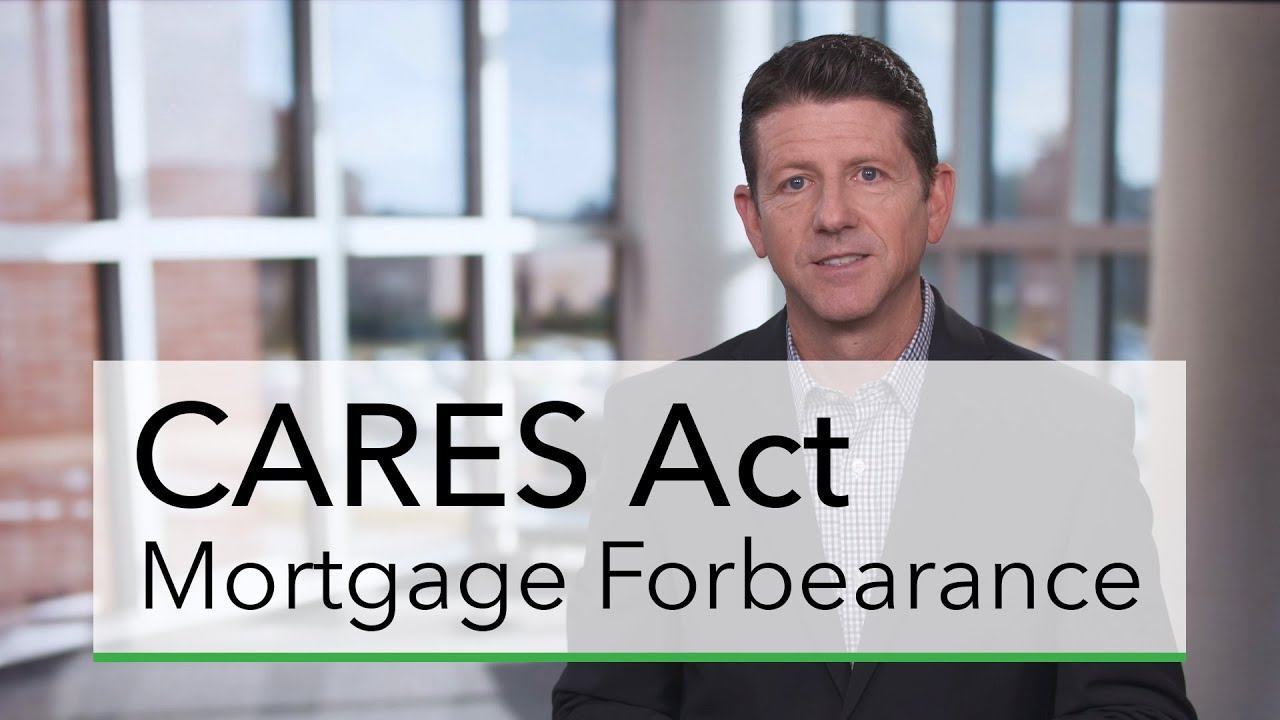
CARES Act Mortgage Forbearance: What You Need to Know
This video, available on the CFPB website along with additional consumer-focused resources, outlines important details about mortgage forbearance, which can help consumers get back on their feet during short-term financial difficulty.
NCSHA Letter to HUD on Emergency HOME, HTF, and ESG Program Measures Due to COVID-19 Pandemic
On March 30, 2020, NCSHA sent this letter to the Acting Assistant Secretary of Community Planning and Development, on behalf of its state housing finance agency members, urging the U.S. Department of Housing and Urban Development to take immediate action to help Community Planning and Development program grantees address the extreme housing needs in their communities resulting from the pandemic.

NCSHA Proposed Treasury-Federal Reserve Housing Bond Facility
These documents include a summary and term sheet for a Housing Bond Facility that the Treasury and the Federal Reserve System could establish to address COVID-19-related dislocations in the market for housing bonds.
NCSHA Letter to FHFA Director on COVID-19-Related Liquidity Needs of State HFA Seller-Servicers of MBS
This letter from NCSHA to Federal Housing Finance Agency Director Mark Calabria describes the urgent COVID-19-related liquidity needs of state housing finance agency (HFA) seller-servicers of Fannie Mae and Freddie Mac mortgage-backed securities and asks him to take immediate steps to help those HFAs to ensure they can continue to assist home buyers and homeowners throughout the country.
NCSHA Summary of Coronavirus Relief Legislation
The U.S. Senate passed unanimously on March 25, 2020, the Coronavirus Aid, Relief, and Economic Security (CARES) Act, after reaching agreement among Democratic, Republican, and White House negotiators. The House is expected to pass the bill on March 27. This memorandum summarizes the housing-specific provisions in the bill, including supplemental appropriations for HUD and other housing programs, increased liquidity for state and local municipal bond issuers, and forbearance for homeowners and multifamily properties.