Make plans to attend: NCSHA's Annual Conference & Showplace Learn more.

Resource Center

Looking for talking points or FAQs to prepare for a meeting on Capitol Hill? A copy of NCSHA’s annual Factbook? Housing research and analysis? A presentation from a recent conference to share with a colleague? A reference guide for Housing Credit, HOME, MRBs, or Section 8 program administration? You’ve come to the right place: The NCSHA Resource Center is your source for this important information and much more. Refer to the right sidebar to see resource categories or use the search bar to search resources by topic.

NCSHA Members: Looking for a specific resource from a past event or conference? Please contact us for assistance.

Emergency Housing Assistance Updates

Divider

Biden’s FY 2022 Budget Request

On May 28, 2021, the Biden Administration submitted to Congress the President’s Budget for Fiscal Year 2022. The budget request totals $6 trillion and outlines the Biden’s Administration’s fiscal priorities, including for HUD and USDA housing programs.

Opportunity Zones | Articles and Background Materials

Access recent Opportunity Zones articles curated by NCSHA staff. 

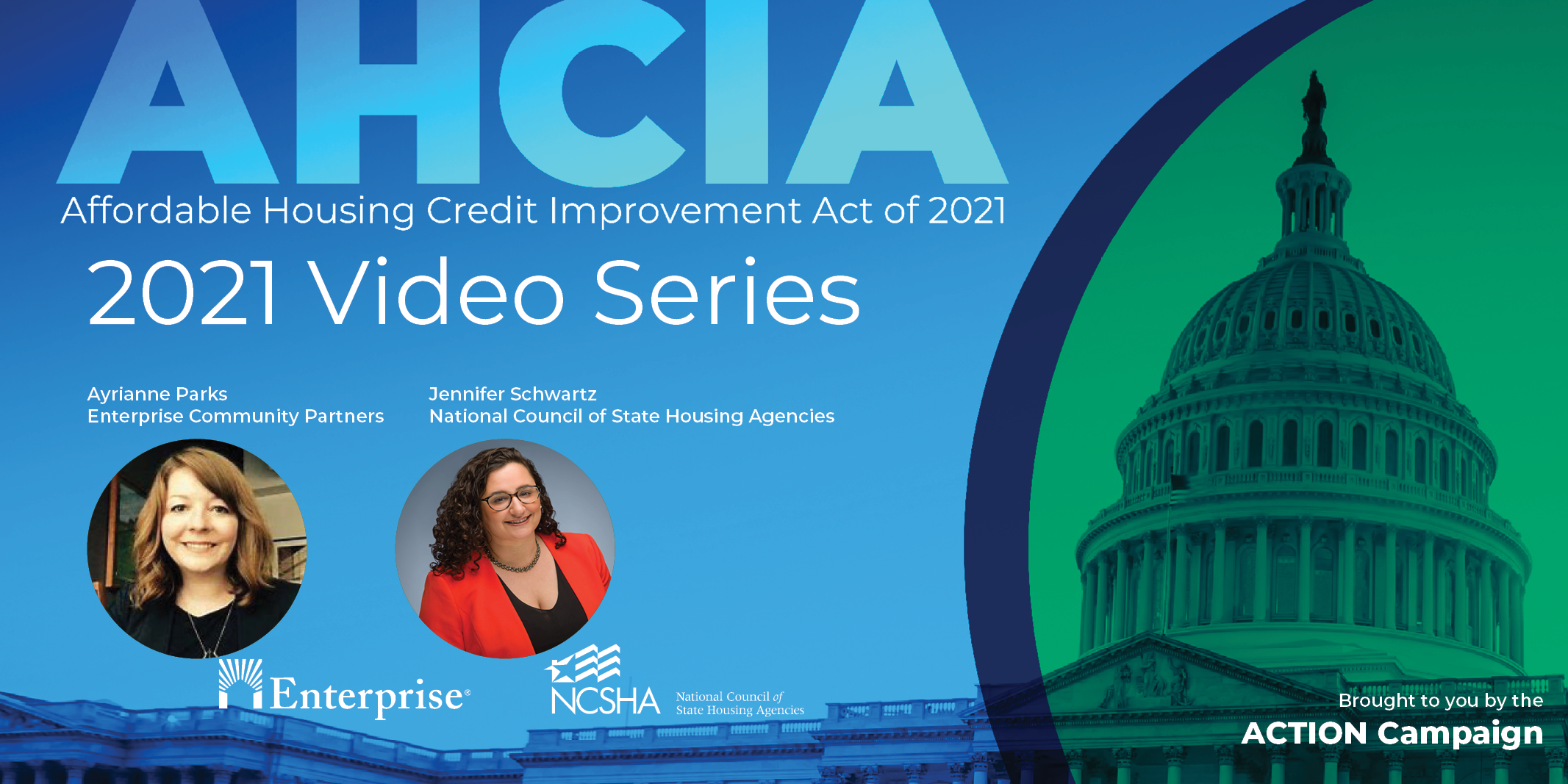
Affordable Housing Credit Improvement Act of 2021: Video Series

In this video series, Ayrianne Parks, Senior Director of Public Policy at Enterprise, and Jennifer Schwartz, Director of Tax and Housing Advocacy at NCSHA, provide an overview of each of the provisions in the Affordable Housing Credit Improvement Act (AHCIA) of 2021 (S. 1136 and H.R. 2573).

Terner Center Report: The Complexity of Financing Low-Income Housing Tax Credit Housing in the United States

This report by the Terner Center for Housing Innovation at U.C. Berkeley examines the complexities associated with using multiple subsidy financing sources in Housing Credit properties and approaches to streamlining the capital stack.  It is part of the Terner Center’s Cost of Building Housing Research Series.

NCSHA-Commissioned Novogradac Report: Analyzing the Impact of Lowering the 50% Test for 4% Tax-Exempt Bond-Financed Properties

On behalf of NCSHA, Novogradac conducted this report on the results of lowering the 50 percent financed-by threshold for 4 percent Housing Credit properties, analyzing the outcomes related to bond cap and multifamily production levels if the financed-by threshold were to be lowered to 40 percent, 33 percent, or 25 percent. This report updates a previous report on the financed-by threshold Novogradac conducted for NCSHA in 2020. The analysis is updated to account for the minimum 4 percent Housing Credit rate established in 2020 year-end legislation and updated Congressional Budget Office inflation projections.

GAO Report: “COVID-19 Housing Protections: Moratoriums Have Helped Limit Evictions But Further Outreach Is Needed”

This report by the U.S. Government Accountability Office examines eviction moratoria policies at the federal, state, and local level and data on eviction filings, rental payments, and mortgage forbearance to determine the impact of eviction moratoria on households facing housing instability during the COVID-19 pandemic.

National Low Income Housing Coalition Report: “The Gap: A Shortage of Affordable Homes March 2021”

This report, published annually by the National Low Income Housing Coalition, examines the shortage of affordable homes available to extremely low-income renters.

Administration of the Federal Emergency Rental Assistance Program: Considerations for State Agencies

To help states design Emergency Rental Assistance programs and deploy the available funds, NCSHA worked with Abt Associates to develop this guidance document. This guidance is intended to help states...

JCHS State of the Nation’s Housing Report 2020

This report, published by the Joint Center for Housing Studies of Harvard University, is an annual assessment of the housing market, demographic trends, and the housing challenges faced by households in the United States.

NLIHC Research Note: Emergency Rental Assistance Programs in Response to COVID-19 | October 27, 2020

The National Low Income Housing Coalition (NLIHC) released this analysis of more than 440 rental assistance programs created or expanded in response to the COVID-19 pandemic.