
Resources

NCSHA Proposed Treasury-Federal Reserve Housing Bond Facility
These documents include a summary and term sheet for a Housing Bond Facility that the Treasury and the Federal Reserve System could establish to address COVID-19-related dislocations in the market for housing bonds.
NCSHA Letter to FHFA Director on COVID-19-Related Liquidity Needs of State HFA Seller-Servicers of MBS
This letter from NCSHA to Federal Housing Finance Agency Director Mark Calabria describes the urgent COVID-19-related liquidity needs of state housing finance agency (HFA) seller-servicers of Fannie Mae and Freddie Mac mortgage-backed securities and asks him to take immediate steps to help those HFAs to ensure they can continue to assist home buyers and homeowners throughout the country.
NCSHA Summary of Coronavirus Relief Legislation
The U.S. Senate passed unanimously on March 25, 2020, the Coronavirus Aid, Relief, and Economic Security (CARES) Act, after reaching agreement among Democratic, Republican, and White House negotiators. The House is expected to pass the bill on March 27. This memorandum summarizes the housing-specific provisions in the bill, including supplemental appropriations for HUD and other housing programs, increased liquidity for state and local municipal bond issuers, and forbearance for homeowners and multifamily properties.
NCSHA Submits Letter to Ginnie Mae on COVID-19 Servicing Concerns
On March 25, 2020, NCSHA sent this letter to Ginnie Mae urging it to help state housing finance agency (HFA) issuers of Ginnie Mae securities meet their pressing liquidity needs due to COVID‐19. The letter describes the servicing and liquidity concerns of HFA issuers and recommends Ginnie Mae provide relief to them. It also explains that, while NCSHA supports industry-wide efforts to provide liquidity to servicers, the mission and structure of state HFAs demand a more targeted approach.
NCSHA Letter to IRS, Treasury on Emergency Housing Credit Program Measures Due to COVID-19 Pandemic
NCSHA sent this letter calling on the Internal Revenue Service and U.S. Department of the Treasury to take immediate steps to ease Housing Credit deadlines and provide other needed program accommodations due to social distancing during the COVIED-19 pandemic.
NCSHA Submits Letter in Response to HUD Tribal Letter on DPA
On February 14, HUD published a letter by the General Deputy Assistant Secretary for Housing sent to Tribal Leaders. The letter, issued in accordance with HUD’s Government-to-Government Tribal Consultation Policy, requested feedback on regulatory changes HUD has been planning to implement for some time on the usage of down payment assistance (DPA) in conjunction with FHA single-family mortgage insurance.

ACTION Recommendations to Congress for Immediate Housing Credit Accommodations Related to COVID-19
The ACTION Campaign, which NCSHA co-chairs, released this statement calling on Congress to take immediate action to postpone certain Housing Credit deadlines to prevent developments from losing their tax credits due to the impact of COVID-19. The statement also urges Congress to establish a 4 percent minimum rate for bond-financed developments, as action by the Federal Reserve to reduce interest rates has driven the 4 percent credit rate to a historical low.
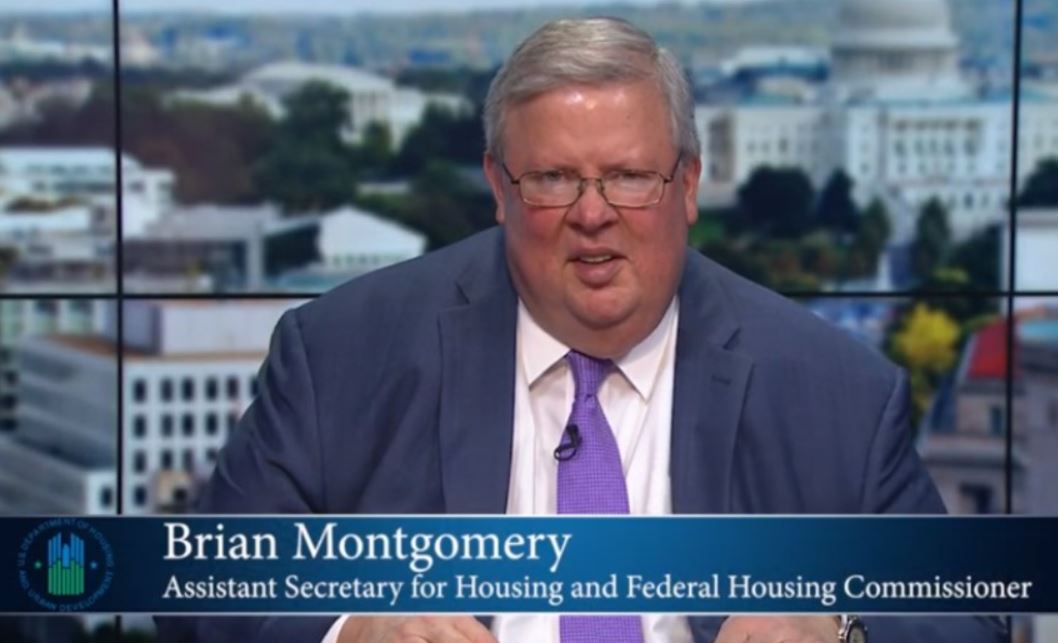
Message from Commissioner Montgomery Regarding COVID-19
A special March 17, 2020 address by Brian D. Montgomery, HUD Assistant Secretary for Housing and Federal Housing Commissioner, regarding COVID-19. "I’m reaching out at this extraordinary time, during the Coronavirus (COVID-19) outbreak, to ensure that FHA’s many stakeholders – including borrowers, lenders, property owners and agents, and business partners — understand the status of our operations and our plans as health and economic events unfold. and evolve."
NCSHA Comments on Affirmatively Furthering Fair Housing 2020 Proposed Rule
In response to HUD’s 2020 proposed rule to revise its Affirmatively Furthering Fair Housing (AFFH) regulations, on March 16, NCSHA submitted this letter on behalf of the state housing finance agencies outlining specific steps the administration can take to uphold the Fair Housing Act and practical implementation of its AFFH obligation.