
State Housing Finance Agencies: At the Center of the Affordable Housing System
High housing costs have become a painful reality for millions of Americans, inflicting financial hardships on families and holding back the nation’s economic growth. It’s no surprise voters across the political spectrum identify housing affordability as a top concern.
The challenges facing aspiring first-time home buyers, working-class renters struggling to make ends meet, and cash-strapped owners of older homes are different — but they all reflect the same underlying fact: Almost anywhere you look, America has a housing affordability crisis.
State housing finance agencies are at the center of the solutions to these problems.
HFAs have delivered more than $860 billion in financing to make possible the purchase, development, and rehabilitation of more than 8.5 million affordable homes and rental apartments for lower- and middle-income households.
Every year, these agencies help 275,000 – 300,000 owners and renters all across the country.
HFAs combine the financial sophistication and business discipline of a large-scale lending institution with the transparency and accountability of a public-purpose organization. They are self-supporting — not reliant on taxpayers to execute their mission.
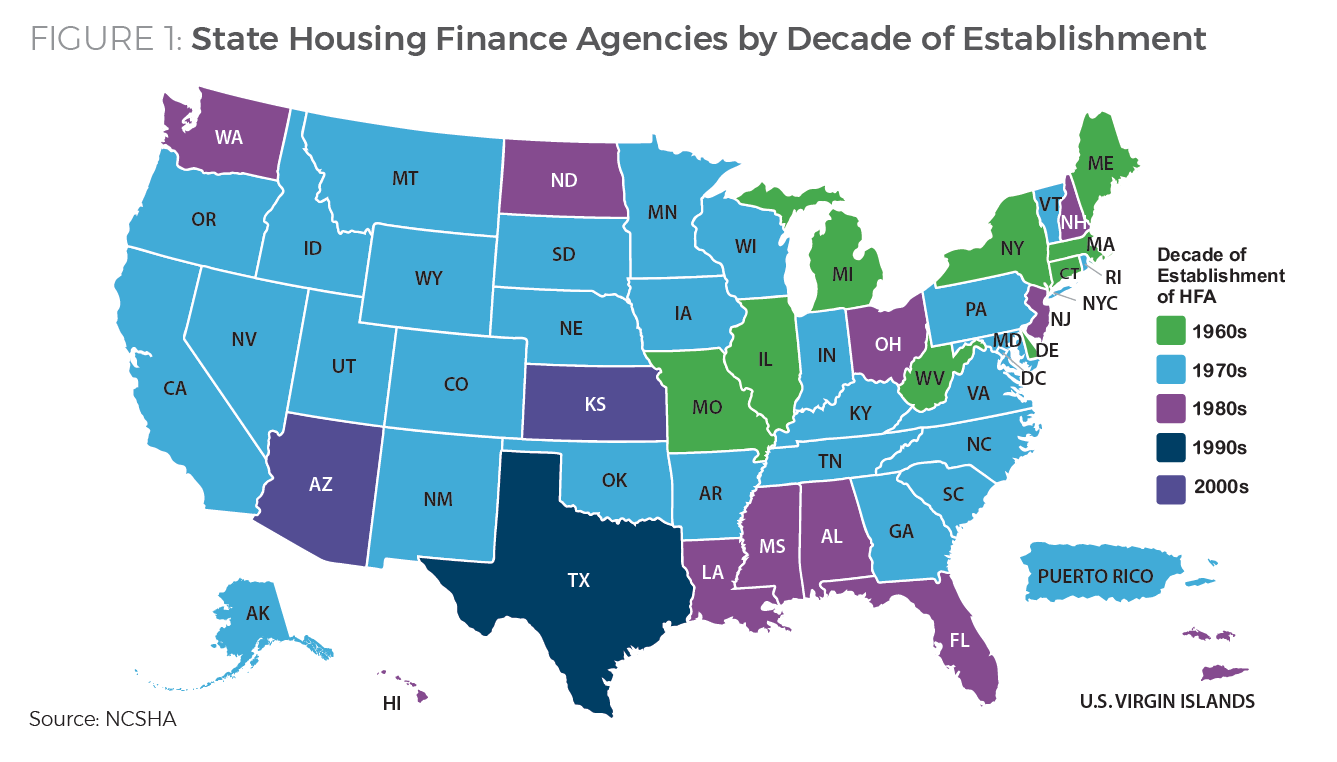
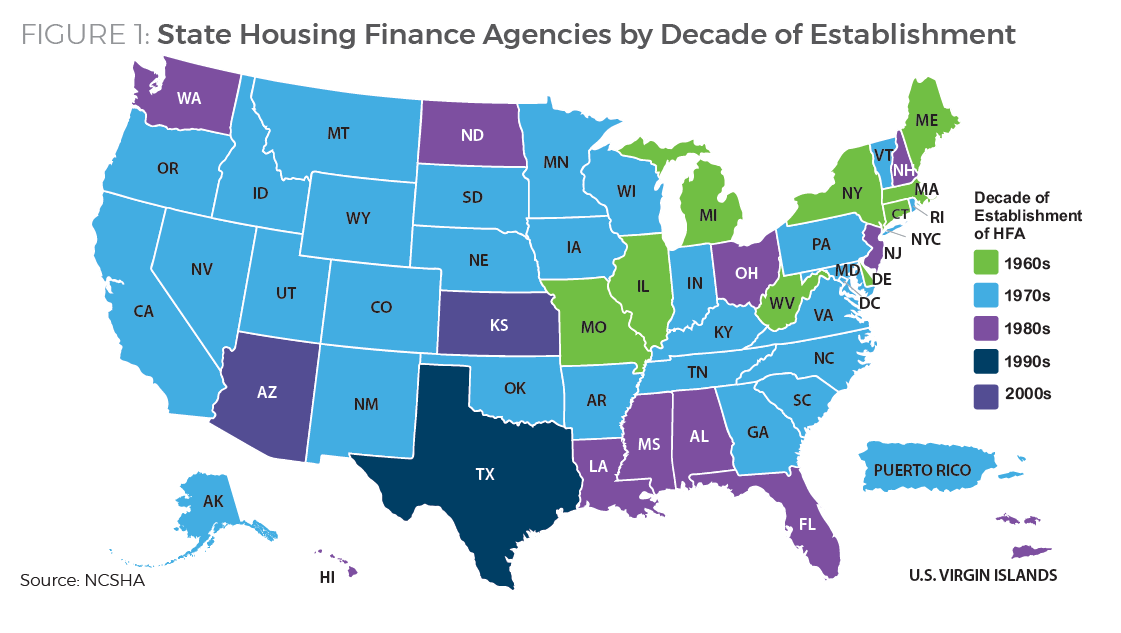
Each HFA was created by its state to meet its own specific housing needs, so no two are exactly alike. They all share a common mission: to make housing more affordable.
This report describes how they do it.
AFFORDABLE HOMEOWNERSHIP
The Challenges
Homeownership, the primary driver of household wealth and a foundation for family stability, is increasingly out of reach for millions of Americans.
Home prices rose by 48 percent, more than double the rate of median income, between 2019 and 2024.i More than three quarters of the homes on the market were unaffordable for the typical household as of the end of last year.ii The share of newly built homes serving entry-level buyers is less than nine percent.iii And homeowners earning $55,000 or less have cumulative home repair needs of $75 billion.iv
HFA Solutions
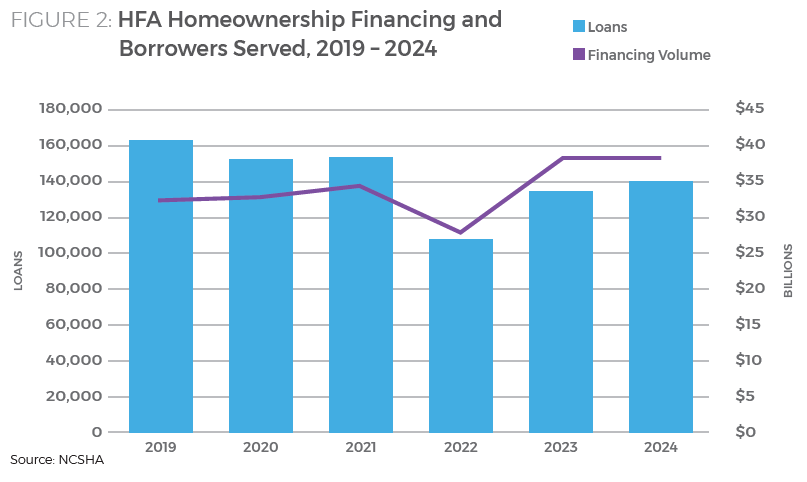
State HFAs have made homeownership more affordable for nearly five million lower-income homeowners and home buyers. They do it by:
- financing affordable mortgages,
- providing down payment assistance,
- supporting affordable home construction, and
- funding necessary home improvements.
The Results
The Impacts
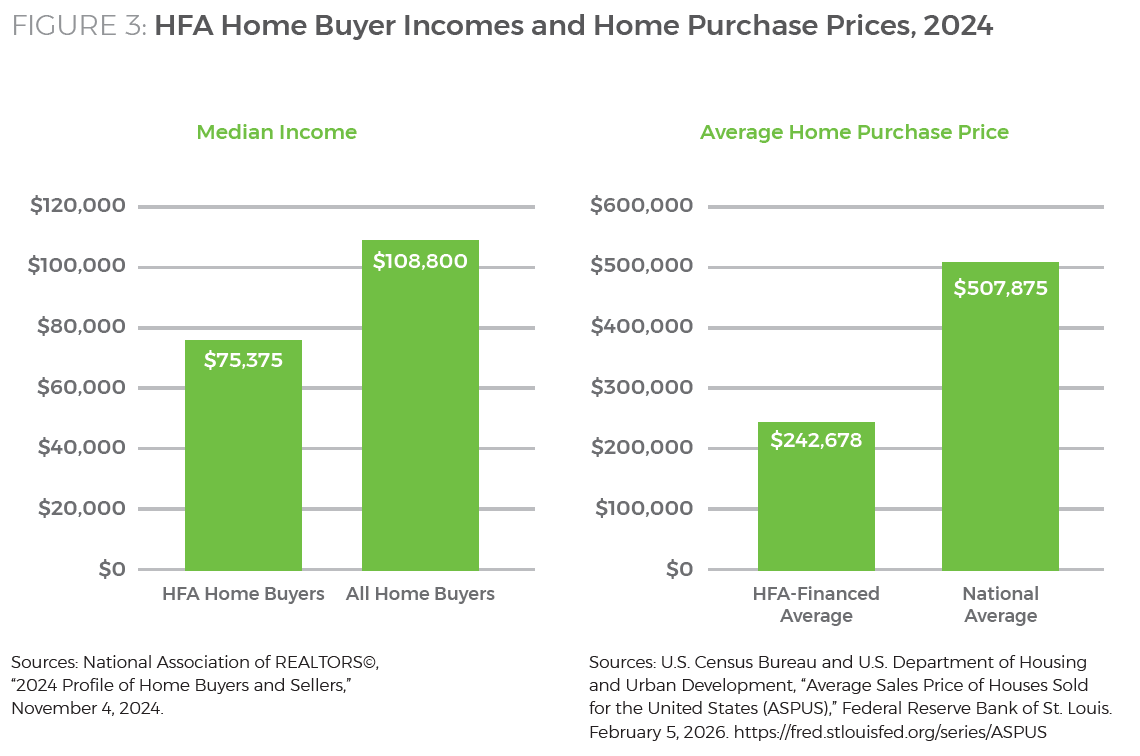
The median income of an HFA-financed home buyer is $75,375 — more than 30 percent below the national median for all home buyers. Their average home purchase price is $242,678 — less than half of the national average. Eighty-five percent of HFA-supported owners are first-time home buyers.
AFFORDABLE RENTAL HOUSING
The Challenges
Record numbers of Americans are paying unsustainable rents, living in poor-quality apartments, and experiencing homelessness.
Nationwide, renter households need to earn more than $80,000 to reasonably afford the typical rental, a 33 percent increase in just five years.v Twelve million renters pay more than half their income for rent and utilities,vi while four million live in substandard conditions.vii Three out of every four households income-eligible for rental assistance don’t receive any.viii The supply of affordable apartments is millions short of demand,ix and low-cost rentals are being lost faster than new ones can be built.x
HFA Solutions
State HFAs have provided lower-cost homes and improved housing conditions by financing nearly four million apartments for low-income renters. They do it by:
- financing apartment development,
- allocating construction incentives,
- delivering rental assistance, and
- ensuring quality property standards and timely rent collection.
The Results
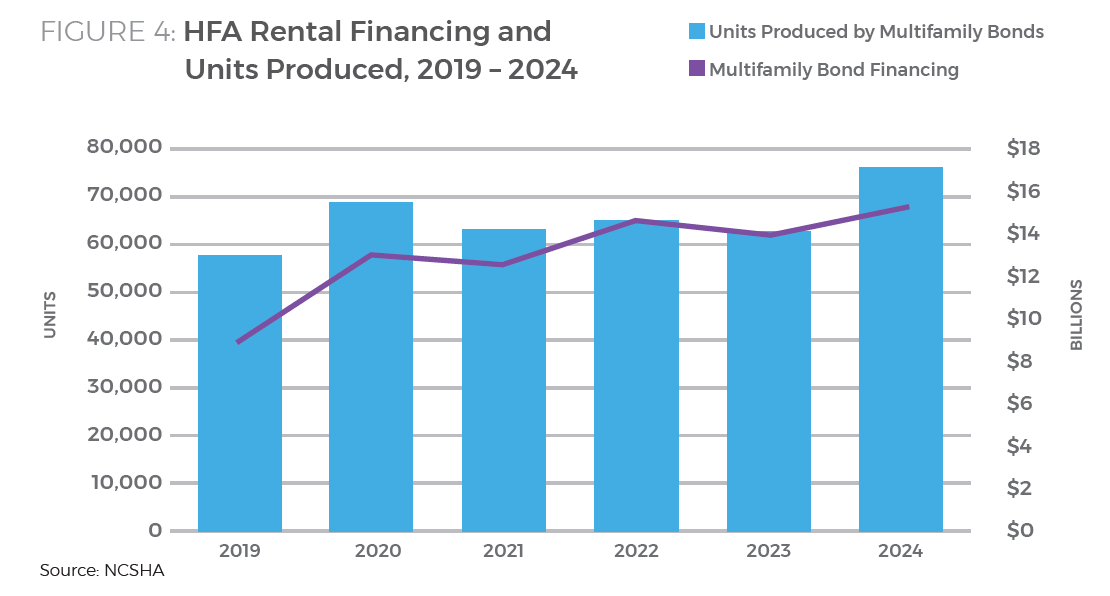
The Impacts
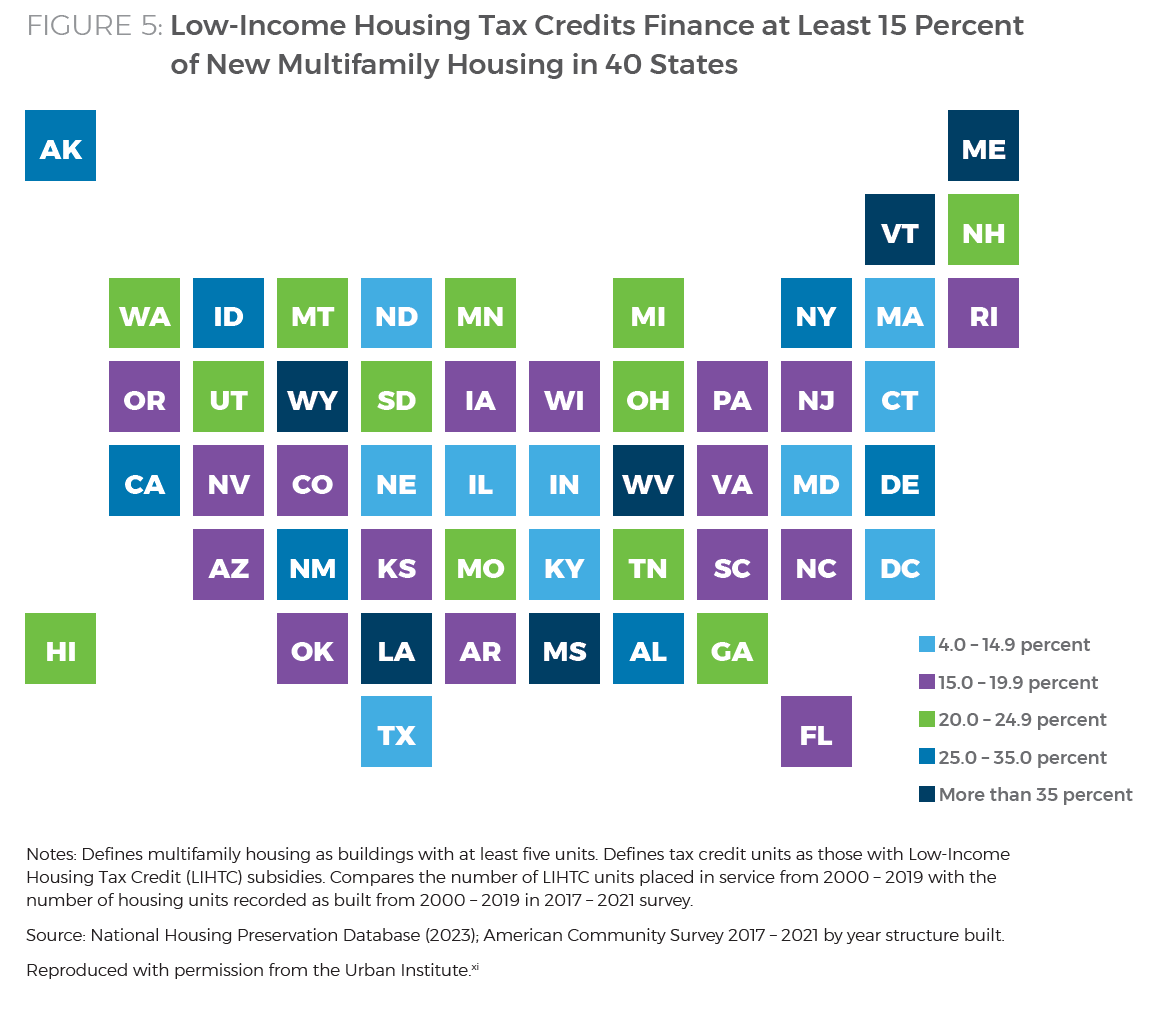
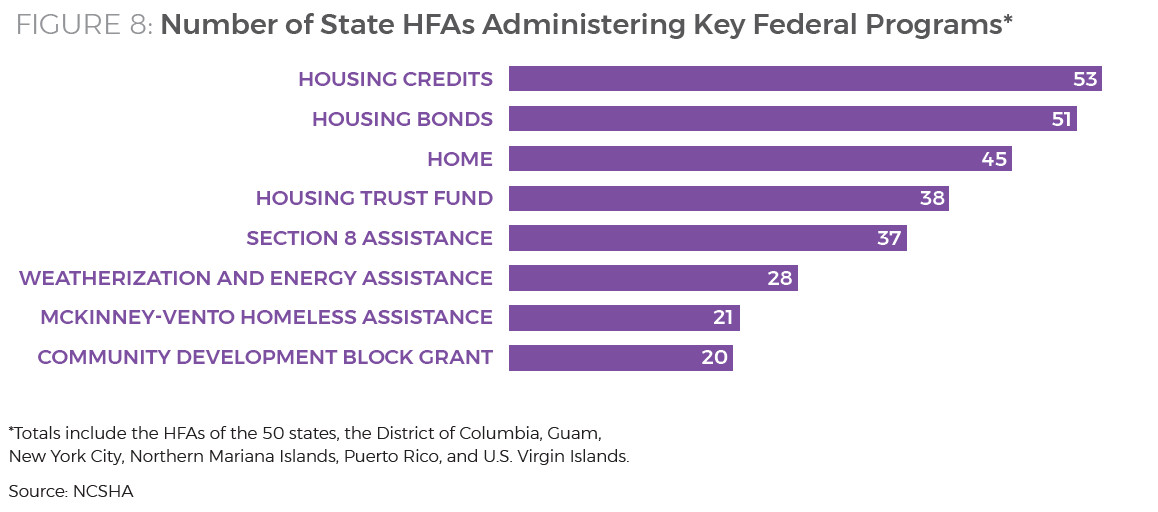
Eighty-eight percent of HFA-financed apartments serve households earning 60 percent of their area’s median income or less. The main HFA-administered rental assistance program supports renters with an average household income of $18,600. The federal Low-Income Housing Tax Credit (LIHTC) program, administered in 53 states and territories by the HFA, serves mostly extremely low-income people and drives apartment development across the country.
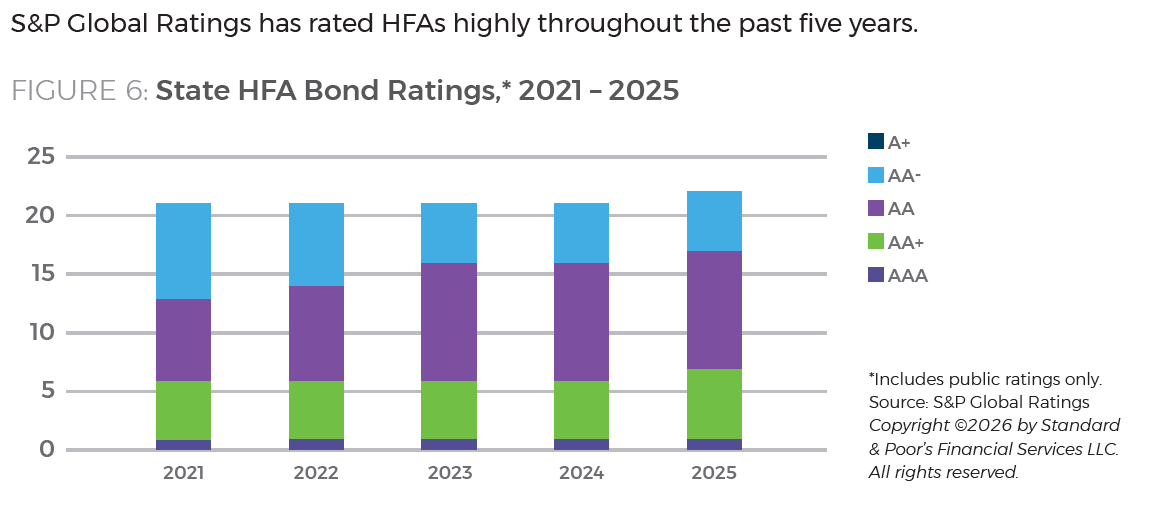
THE FOUNDATIONS OF HFA EFFECTIVENESS
Strong Management
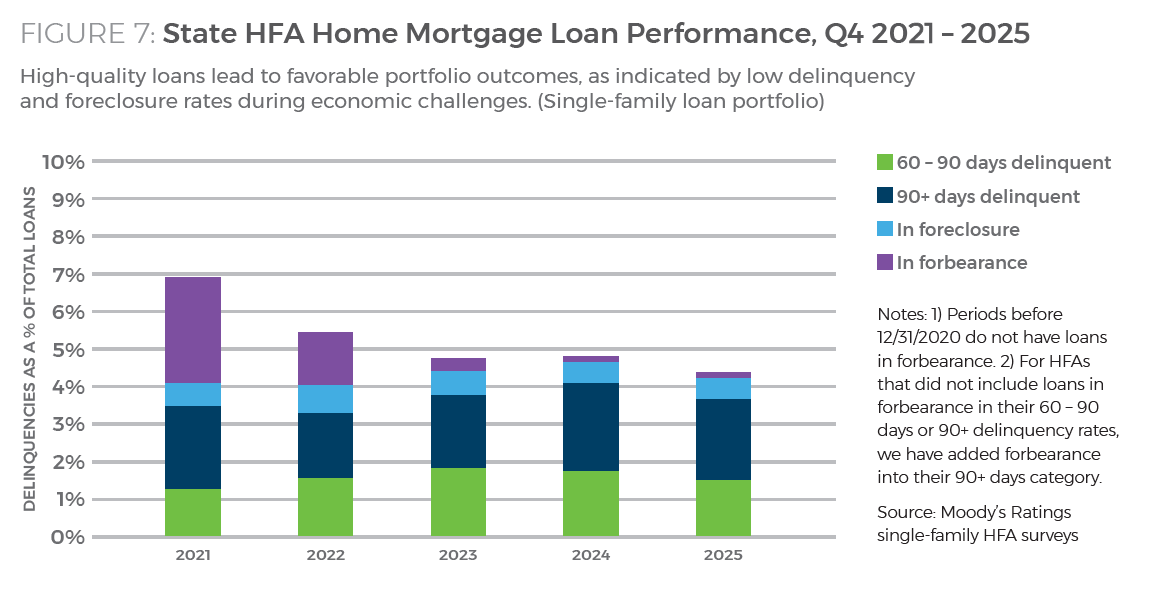
Superior Financial Performance
Analysis by Moody’s Ratings attests to HFA loan quality.
Sound Stewardship of Federal Resources
HFAs are the primary administrators of most major federal housing programs, reflecting a long-running, bipartisan confidence that they are best positioned to serve both national housing objectives and specific state needs. Governors and state legislatures in every part of the country are also turning to state HFAs to solve their housing challenges as never before.
State HFAs
- Alabama Housing Finance Authority
- Alaska Housing Finance Corporation
- Arizona Department of Housing
- Arkansas Development Finance Authority
- California Housing Finance Agency
- Colorado Housing and Finance Authority
- Connecticut Housing Finance Authority
- Delaware State Housing Authority
- District of Columbia Housing Finance Agency
- Florida Housing Finance Corporation
- Georgia Department of Community Affairs/Georgia Housing and Finance Authority
- Hawaiʻi Housing Finance and Development Corporation
- Idaho Housing and Finance Association
- Illinois Housing Development Authority
- Indiana Housing and Community Development Authority
- Iowa Finance Authority
- Kansas Housing Resources Corporation
- Kentucky Housing Corporation
- Louisiana Housing Corporation
- MaineHousing
- Maryland Department of Housing and Community Development
- MassHousing
- Michigan State Housing Development Authority
- Minnesota Housing
- Mississippi Home Corporation
- Missouri Housing Development Commission
- Montana Housing
- Nebraska Investment Finance Authority
- Nevada Housing Division
- New Hampshire Housing Finance Authority
- New Jersey Housing and Mortgage Finance Agency
- New Mexico Mortgage Finance Authority
- New York City Housing Development Corporation
- New York State Homes and Community Renewal
- North Carolina Housing Finance Agency
- North Dakota Housing Finance Agency
- Ohio Housing Finance Agency
- Oklahoma Housing Finance Agency
- Oregon Housing and Community Services
- Pennsylvania Housing Finance Agency
- Puerto Rico Housing Finance Authority
- Rhode Island Housing
- South Carolina State Housing Finance and Development Authority
- South Dakota Housing Development Authority
- Tennessee Housing Development Agency
- Texas Department of Housing and Community Affairs
- Utah Housing Corporation
- Vermont Housing Finance Agency
- Virgin Islands Housing Finance Authority
- Virginia Housing
- Washington State Housing Finance Commission
- West Virginia Housing Development Fund
- Wisconsin Housing and Economic Development Authority
- Wyoming Community Development Authority

Sources
i Whitney, Payton, “Home Prices Surge to Five Times Median Income, Nearing Historic Highs,” Joint Center for Housing Studies of Harvard University, October 6, 2025. https://www.jchs.harvard.edu/blog/home-prices-surge-five-times-median-income-nearing-historic-highs
ii Bankrate, “Priced out of 75% of the market, Americans’ dream of homeownership has become a luxury,” December 8, 2025. https://www. bankrate.com/mortgages/american-dream-of-homeownership-turning-into-luxury/
iii U.S. Census, “Residential Construction/Residential Sales History File Update for January 2024.” https://www.census.gov/construction/nrc/data/series.html
iv Divringi, Eileen, “Home Repair Costs 2025: Updated Estimates and New Measures of Cooling Needs,” Federal Reserve Bank of Philadelphia, December 2025. https://www.philadelphiafed.org/-/media/FRBP/Assets/Community-Development/Briefs/home-repair-costs-2025/
home-repair-costs.pdf
v Zillow, “Number of markets where renters need to earn $100K to afford rent has doubled since 2020,” May 12, 2025. https://zillow.mediaroom. com/2025-05-12-Number-of-markets-where-renters-need-to-earn-100K-to-afford-rent-has-doubled-since-2020
vi Joint Center for Housing Studies of Harvard University, “State of the Nation’s Housing 2025,” June 24, 2025. https://www.jchs.harvard. edu/sites/default/files/reports/files/Harvard_JCHS_The_State_of_the_ Nations_Housing_2025.pdf
vii Airgood-Obrycki, Whitney and Wedeen, Sophia, “Six Takeaways from America’s Rental Housing 2024,” Joint Center for Housing Studies of Harvard University, Housing Perspectives blog, January 25, 2024. www. jchs.harvard.edu/blog/six-takeaways-americas-rental-housing-2024
viii Center on Budget and Policy Priorities, “Federal Rental Assistance,” September 20, 2024. https://www.cbpp.org/research/housing/federal-rental-assistance#:~:text=Due%20to%20funding%20limitations%2C% 203,in%20most%20of%20the%20country
ix deRitis, Christian, et al, “Bring the Housing Shortage Into Sharper Focus, The Urban Institute, July 2025. https://www.urban.org/sites/default/files/2025-07/Bringing-Housing-Shortage-Into-Sharper-Focus.pdf
x Joint Center for Housing Studies of Harvard University. “New Report Shows Rent Is Unaffordable for Half of Renters as Cost Burdens Surge to Record Levels,” www.jchs.harvard.edu, January 25, 2024. www.jchs. harvard.edu/press-releases/new-report-shows-rent-unaffordable-half-renters-cost-burdens-surge-record-levels
xi Freemark, Yonah and Payton Scally, Corianne, “LIHTC Provides Much-Needed Affordable Housing, But Not Enough to Address Today’s Market Demands,” Urban Wire, July 11, 2023. www.urban.org/urban-wire/ lihtc-provides-much-needed-affordable-housing-not-enough-address-todays-market-demands