
Resources

Fannie Mae Underserved Markets Plan for 2022–24
On April 27, 2022, Fannie Mae published its approved Underserved Markets Plan for 2022–24. The plan outlines how Fannie Mae intends to fulfill its obligations under the Federal Housing Finance Agency’s Enterprise Duty-to-Serve Rule. The Duty-to-Serve Rule requires Fannie Mae and Freddie Mac to support lending for housing for very low-, low-, and moderate-income families (those earning 100 percent of area median income or below) in three underserved segments of the housing finance market: manufactured housing, affordable housing preservation, and rural areas.
House Dear-Colleague Letter: HOME Investment Partnerships Program FY 2023
In April 2022, Representative Joyce Beatty (D-OH) circulated to her House colleagues this sign-on letter requesting support from the House Committee on Appropriations Subcommittee on Transportation, Housing and Urban Development, and Related Agencies to increase funding for the HOME Investment Partnerships program (HOME) to at least $2.5 billion for fiscal year 2023.
State Fiscal Recovery Funds in Action: Nevada
The Coronavirus State and Local Fiscal Recovery Fund provides $350 billion to state, local, and tribal governments to support their response to and recovery from the COVID-19 public health emergency. This profile highlights how one state is using these recovery dollars for affordable housing.
FHFA Strategic Plan for Enterprise Conservatorship for 2022–26
The Federal Housing Finance Agency (FHFA) published this Strategic Plan for Fiscal Years 2022–2026 on April 14. The plan outlines FHFA’s priorities as the regulator of the Federal Home Loan Bank System and as regulator and conservator of Fannie Mae, Freddie Mac, and the Federal Home Loan Banks. The plan sets three main goals for FHFA during the applicable time period: securing the FHLBs and GSEs’ safety and soundness, responsibly stewarding FHFA's infrastructure, and fostering housing finance markets that promote equitable access to affordable and sustainable housing.
Dear Colleague Letter: House LIFELINE Act, H.R. 7078
This “Dear Colleague” letter, circulated by Representatives Alma Adams (D-NC) and David Rouzer (R-NC), encourages members of the House of Representatives to cosponsor the bipartisan LIHTC Financing Enabling Long-Term Investment in Neighborhood Excellence (LIFELINE) Act, H.R. 7078, which Adams and Rouzer introduced on March 15. NCSHA has endorsed the legislation.
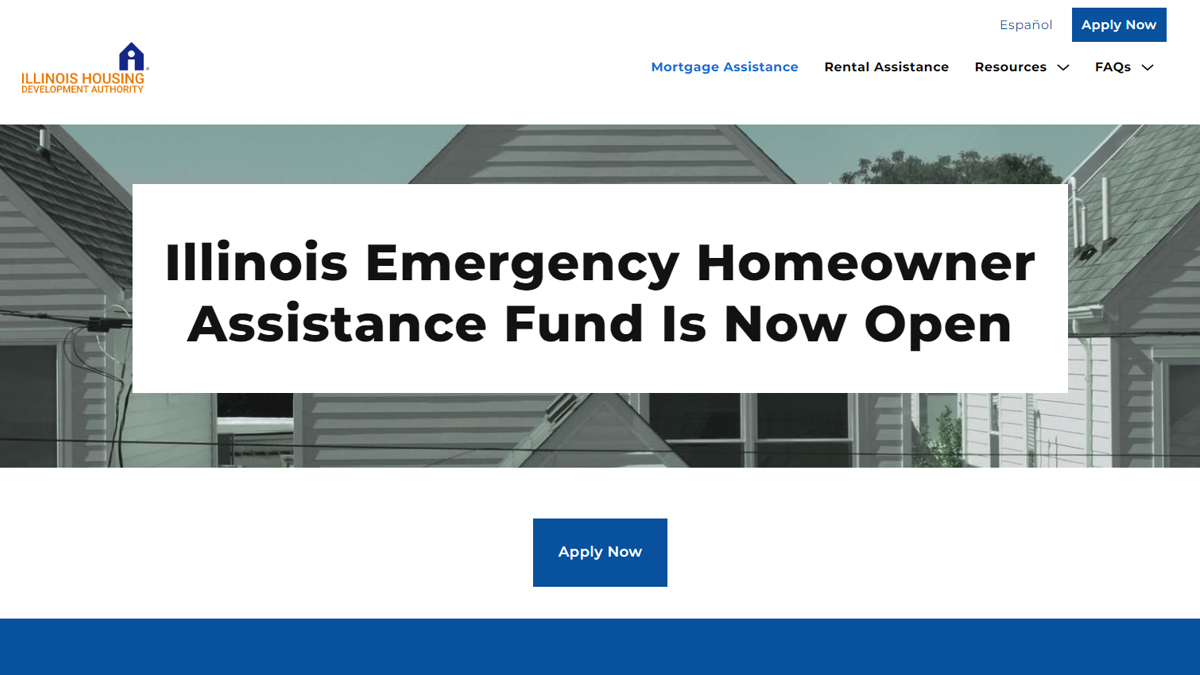
Featured HAF Program: Illinois Homeowner Assistance Fund
The Illinois Homeowner Assistance Fund Program (ILHAF) provides direct financial assistance to prevent mortgage delinquencies, defaults, displacements, and foreclosures for income-eligible homeowners experiencing pandemic-related hardships in Illinois. The state is now accepting applications from homeowners for grants of up to $30,000 to eliminate or reduce past-due mortgage and property tax payments.
Global Minimum Tax Sign-On Letter
This April 5, 2022, letter, signed by 30 national organizations including NCSHA, raises concerns about the potential impact of the OECD Pillar II Model Rules implementing a global minimum tax on community development financing tools, including the Housing Credit and tax-exempt bonds.

IRS Revenue Procedure 2022-21: New MRB and MCC Purchase Price Limits and Safe Harbors
On March 30, 2022, the Internal Revenue Service published Revenue Procedure 2022-21, which revises the nationwide average purchase price limits and the average area purchase price safe harbors for the Mortgage Revenue Bond (MRB) and Mortgage Credit Certificate (MCC) programs. The revenue procedure establishes the new MRB and MCC purchase price limits by taking the Federal Housing Administration single-family loan limits set in November 2021 and dividing them by 1.083. It also sets the national average purchase price at $368,500 for computing the housing cost/income ratio, which provides for an upward adjustment to the percentage limitation in high housing cost areas.
ERA 2 Reallocation Guidance
These documents provide information on reallocation of Emergency Rental Assistance funds authorized under the American Rescue Plan Act (ERA 2).